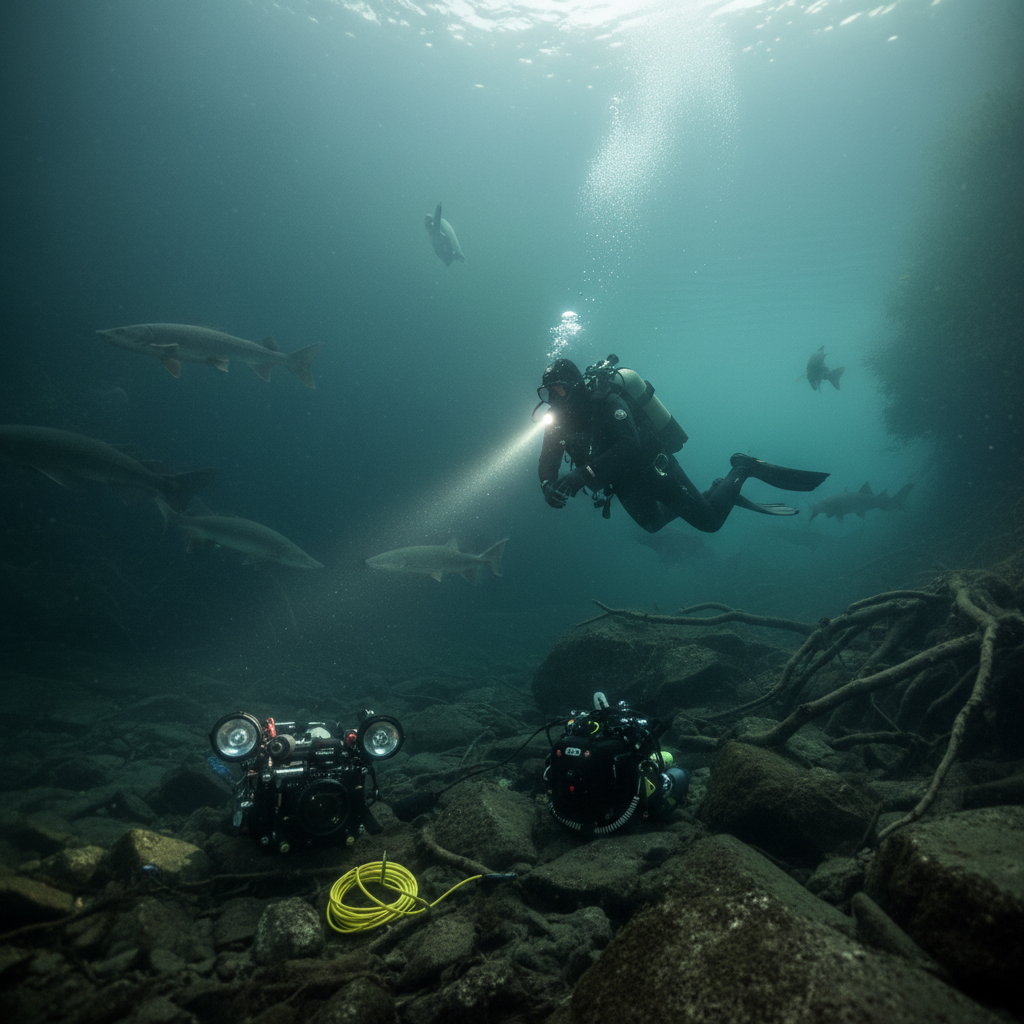
A diver was hospitalized with serious injuries after being bitten in a suspected great white shark attack in a Quebec waterway on September 17, according to authorities. The victim survived the encounter and was transported to hospital for treatment following what experts describe as an extremely unusual incident for the province's colder waters.
The attack has drawn attention from marine biologists and safety officials due to the rarity of great white shark sightings in Quebec's aquatic environments. Great whites typically favour warmer coastal waters and are seldom documented this far north in eastern Canadian waterways.
Investigation underway into marine encounter
Marine authorities are currently investigating the circumstances surrounding the attack and working to confirm whether a great white shark was definitively involved in the incident. Officials have not yet released specific details about the location of the attack or the extent of the diver's injuries, citing the ongoing investigation.
The incident marks one of the first documented suspected great white encounters in Quebec waters in recent memory, according to local marine experts. Previous shark incidents in the province have typically involved smaller species or occurred in different circumstances entirely. Emergency response teams coordinated the rescue operation, with paramedics and marine safety personnel working together to extract the injured diver from the water and provide immediate medical care.
Witness accounts and initial reports suggest the attack occurred during what appeared to be routine diving activities, though investigators are still gathering testimony from those present at the scene. The rapid response likely contributed to the diver's survival, as great white attacks can prove fatal without immediate medical intervention.
Marine biologists examine unprecedented sighting
The suspected presence of a great white shark in Quebec waters has sparked discussions among marine biologists about potential shifts in species distribution patterns across eastern Canada. Climate change and warming water temperatures have been linked to changes in marine animal migration routes and habitat ranges in other regions.
Dr. Sarah Mitchell, a marine biologist at Université Laval, noted that great whites have historically been documented primarily in Atlantic Canada's warmer coastal regions, particularly around Nova Scotia and New Brunswick. The species typically follows prey migrations and temperature gradients that keep them in more temperate waters during summer months.
Some researchers suggest that warming ocean currents and changing prey distributions could be drawing larger predatory species into previously uncommon territories. Seal populations, a primary food source for great whites, have been expanding their range northward in recent years, potentially creating new hunting grounds for the apex predators.
However, experts caution that a single incident cannot definitively indicate a broader pattern without additional data and confirmed sightings. The attack has also raised questions about water safety protocols for divers and other water users in Quebec's rivers and coastal areas, particularly as marine ecosystems continue to evolve with environmental changes.
Diving community responds with enhanced safety measures
Local diving communities and water recreation groups are reassessing safety measures following news of the incident. While shark attacks remain statistically rare in Canadian waters, the suspected involvement of a great white has prompted renewed attention to marine safety protocols.
The Quebec Diving Association has issued preliminary guidance recommending increased buddy system protocols and enhanced surface support during diving operations. Several dive shops in the region have begun incorporating shark awareness briefings into their pre-dive safety talks, despite the rarity of such encounters in provincial waters.
Commercial diving operations are reviewing their risk assessment procedures, with some operators considering additional safety equipment and modified diving protocols for certain locations. The incident has generated significant media coverage across Quebec and nationally, with many outlets highlighting the unusual nature of a potential great white encounter in the province's waterways.
Ongoing monitoring and research initiatives
Marine authorities are expected to increase monitoring efforts in the area where the attack occurred as part of their ongoing investigation. Officials will likely examine water temperature data, prey fish populations, and other environmental factors that could explain the presence of a large predatory shark in Quebec waters.
Fisheries and Oceans Canada may deploy additional acoustic monitoring equipment to track large marine predators in the region. Such technology has been successfully used in Atlantic provinces to monitor great white movements and could provide valuable data about whether this represents an isolated incident or part of a broader range expansion.
The diver's recovery progress has not been detailed by authorities, though officials confirmed the individual survived the encounter and received immediate medical attention. According to The Globe and Mail report, the case represents a notable departure from typical marine incidents recorded in Quebec waters.
Research institutions are collaborating to establish baseline data on shark populations in Quebec's waterways, work that could prove crucial for understanding future incidents. The investigation's findings may influence future water safety recommendations and marine monitoring protocols across the province, particularly as climate-driven ecosystem changes continue to alter species distributions throughout eastern Canada.