Prime Minister Mark Carney's Liberal Party has opened a commanding 14-point lead over the Conservatives in federal vote intention, jumping to 46% support compared to the Tories' 32%, according to a new Angus Reid Institute poll released September 10.
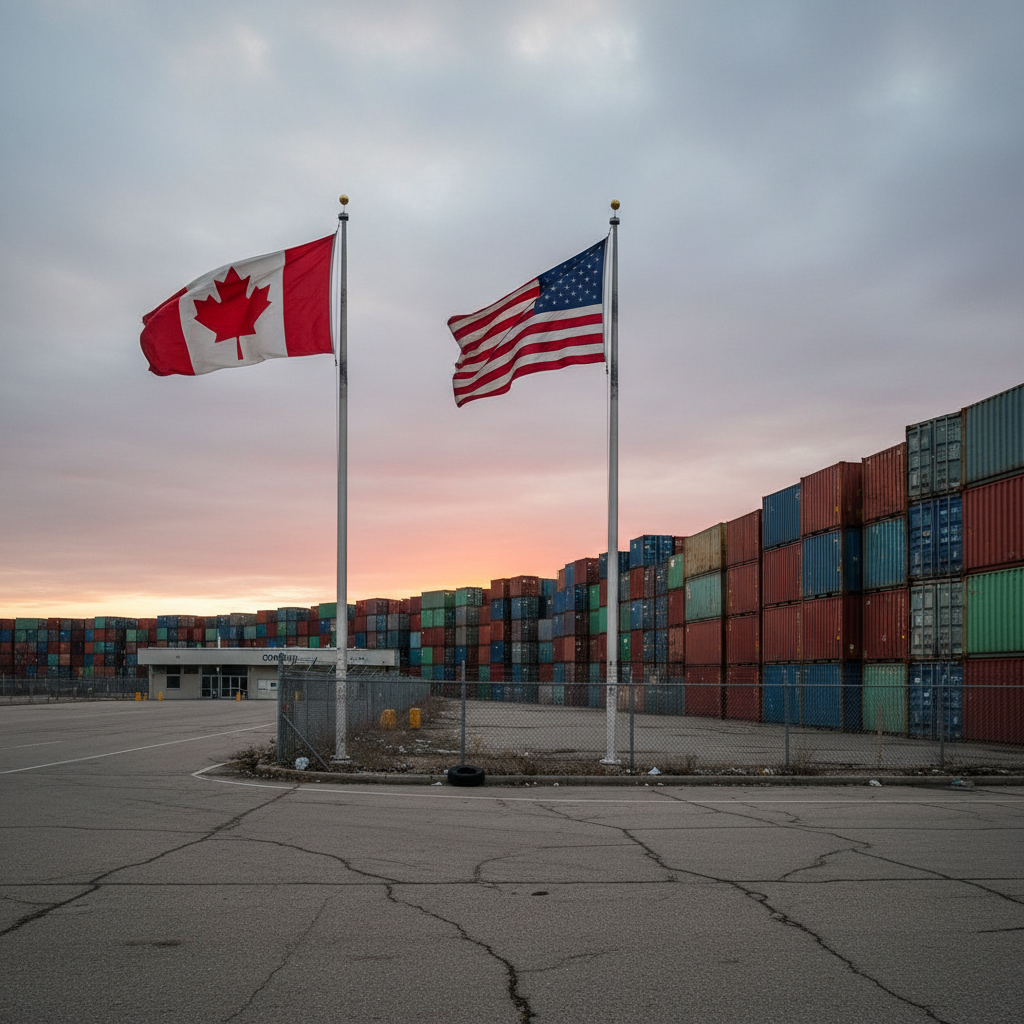
The surge represents a dramatic shift from July, when the Liberals held just a four-point margin. The polling firm attributes the Liberal gains largely to public backing for Carney's handling of the escalating trade confrontation with U.S. President Donald Trump, particularly following Canada's latest round of counter-tariffs imposed September 8.
Carney's Personal Standing Climbs
The prime minister's personal approval has reached 61%, a significant jump that contrasts sharply with Conservative leader Pierre Poilievre's 32% favourability rating. The data suggests Canadians are consolidating behind the government as the economic implications of the U.S.-Canada trade dispute become clearer.
Carney's response to Trump's renewed tariff threats appears to be resonating with voters who remember the uncertainty of previous trade wars. The counter-tariffs target key American exports, including agricultural products and manufactured goods, in a move designed to pressure U.S. lawmakers in affected states.
Regional breakdowns show the Liberal surge is particularly pronounced in Ontario and Quebec, where 49% and 52% of respondents respectively indicated Liberal support. Even in traditionally Conservative Alberta, Liberal numbers have climbed to 38%, suggesting the trade issue transcends typical partisan divisions.
Broad Coalition Backs Government Response
The polling reveals surprising cross-party support for the Liberal approach, with 73% of NDP voters and even 41% of Conservative supporters expressing approval for the counter-tariff strategy. This level of consensus is rare in Canadian federal politics, where trade policy typically splits along partisan lines.
Business groups have offered measured support despite concerns about economic disruption. The Canadian Chamber of Commerce, while urging caution, acknowledged that "proportional response remains necessary when faced with protectionist measures." Labour unions have been more enthusiastic, with Unifor president Jerry Dias calling the tariffs "exactly what Canadian workers needed to see."
The poll also captured public sentiment about the broader Canada-U.S. relationship, with 68% of respondents saying they believe Trump's trade policies specifically target Canada unfairly. This perception appears to be driving support for a firm government response regardless of short-term economic costs.
Trade War Reshapes Political Landscape
The poll results indicate how quickly external crises can alter Canada's federal political dynamics. Historically, Canadian voters have shown a tendency to support incumbent governments during international confrontations, a phenomenon political scientists call the "rally around the flag" effect.
For ordinary Canadians, the trade dispute means higher prices on everything from groceries to consumer electronics as tariffs work their way through supply chains. Yet the polling suggests voters are willing to accept short-term economic pain if they believe the government is defending Canadian interests effectively.
The Conservative Party now faces the challenge of criticizing Liberal trade policy without appearing to side with Trump, a figure who remains deeply unpopular among Canadian voters across party lines. Internal Conservative polling reportedly shows Trump's approval rating at just 18% among Canadian Conservative supporters, limiting Poilievre's room for manoeuvre.
Political analysts note that previous Conservative leaders, including Stephen Harper, successfully navigated trade disputes by maintaining distance from controversial U.S. positions while offering alternative approaches. Poilievre has yet to articulate a clear alternative strategy beyond calling for "better negotiation."
Economic Pressure Builds Across Sectors
The timing of the poll coincides with growing concern about inflation returning as tariffs drive up costs for imported goods. Economists warn that prolonged trade tensions could push Canada into recession, particularly if the dispute expands beyond the current sectors.
Manufacturing associations report mixed impacts from the tariff regime. While some Canadian producers benefit from reduced American competition, others face higher input costs for U.S.-sourced materials. The automotive sector, heavily integrated across the border, faces particular uncertainty as supply chains adjust to new trade realities.
Carney's government has emphasized that the counter-tariffs are carefully targeted to minimize harm to Canadian consumers while maximizing pressure on American exporters. However, retaliatory measures inevitably create winners and losers within the Canadian economy.
The Bank of Canada has indicated it is monitoring trade impacts closely, with Governor Tiff Macklem warning that "sustained trade disruption could require monetary policy adjustments." Financial markets have shown volatility, though the Canadian dollar has strengthened against the U.S. dollar since the counter-tariffs were announced.
The Angus Reid Institute survey offers an early snapshot of how the trade war is reshaping federal politics, though pollsters caution that public opinion can shift rapidly as economic impacts become more pronounced.
Election Implications Emerge
While Carney has not indicated when he might call a federal election, the strong polling numbers provide the Liberals with significant political capital. A 14-point lead would likely translate into a majority government if an election were held today, giving the prime minister flexibility in his approach to both domestic policy and international negotiations.
The Conservative Party will need to recalibrate its messaging to address voters' apparent satisfaction with the government's trade stance. Poilievre's challenge lies in offering an alternative approach that doesn't appear to compromise Canadian sovereignty or economic interests.
Strategic considerations suggest Carney may be tempted to capitalize on his current popularity, though calling an election during active trade negotiations carries risks. Previous prime ministers have successfully leveraged international crises for electoral gain, but voters can quickly turn if economic conditions deteriorate significantly.
For now, the data suggests Canadians are prepared to weather the economic storm if they believe their government is standing firm against American pressure. Whether that support holds as tariff impacts spread through the economy remains the critical question for Canada's political future.