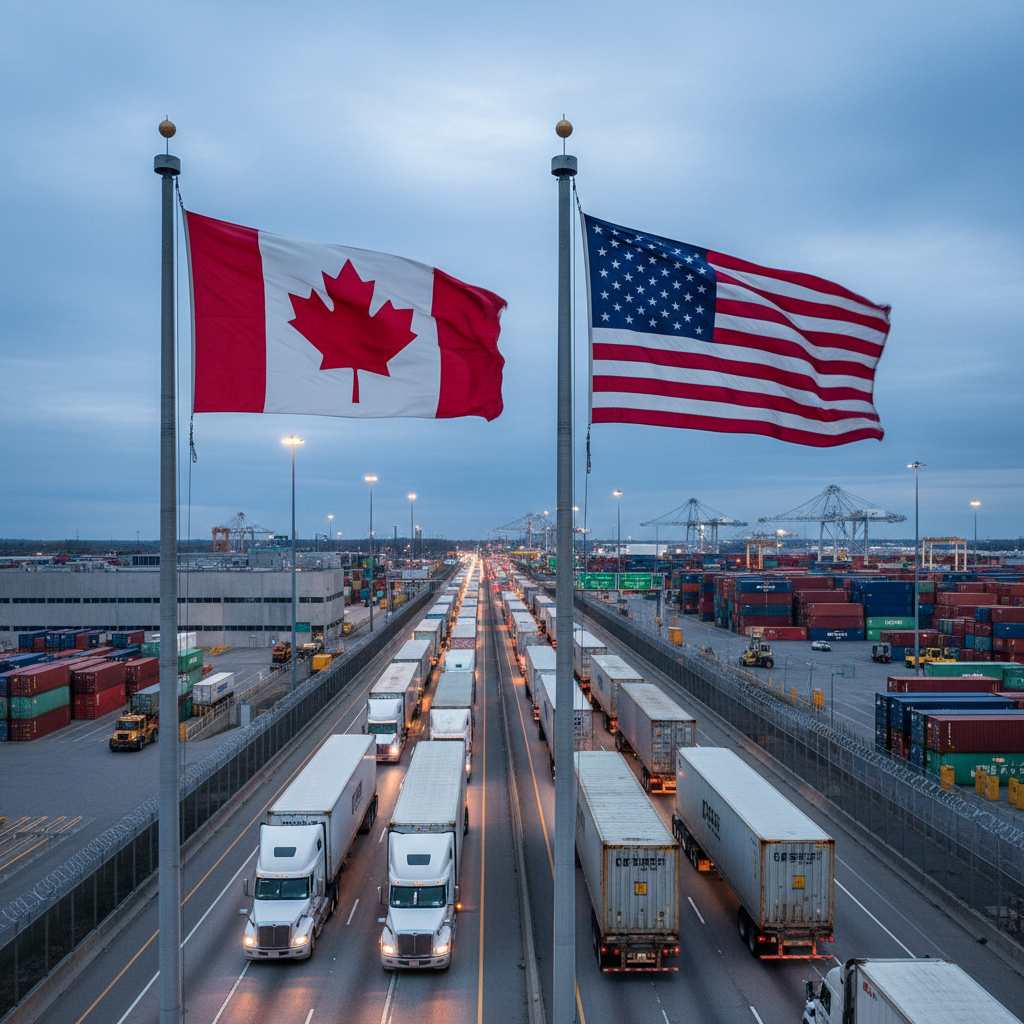
Canada imposed retaliatory tariffs on roughly $27.6 billion worth of U.S. imports at 12:01 a.m. on September 8, marking a major escalation in the ongoing Canada–U.S. trade dispute. The counter-tariffs, matching U.S. measures "dollar for dollar," apply rates of 15%, 25% and 50% on a wide range of goods including steel, aluminum, paper, furniture, cheese and seafood.
Federal support package accompanies tariff response
The federal government paired the tariff measures with a $7.5‑billion package of new and enhanced supports for Canadian workers and businesses affected by the U.S. tariffs. This builds on nearly $25 billion in prior assistance already provided to sectors hit by American trade actions.
The support package includes enhanced employment insurance benefits for workers in affected industries, loan guarantees for manufacturers seeking to diversify their export markets, and tax credits for companies investing in new production capacity. Federal officials emphasized the measures represent a coordinated response to protect Canadian economic interests while supporting domestic industries through the transition period.
Regional development agencies will receive additional funding to help businesses in manufacturing-heavy provinces like Ontario and Quebec adapt to the new trade environment. The package also includes accelerated depreciation allowances for companies purchasing Canadian-made equipment to replace American suppliers.
Industry leaders express mixed reactions to tariff strategy
Manufacturing associations have voiced cautious support for the government's matching approach, arguing that Canada cannot allow American protectionism to go unanswered. Steel producers particularly welcomed the reciprocal measures, noting that unilateral U.S. tariffs had created an unfair competitive disadvantage for Canadian mills.
However, downstream manufacturers who rely on American inputs have expressed concern about the cost implications. Furniture makers importing U.S. hardwood and food processors sourcing American agricultural products warn that the tariffs will squeeze profit margins and potentially force price increases for Canadian consumers.
The Canadian Chamber of Commerce called the tariffs a "necessary but painful" response, emphasizing that the business community hopes for a swift resolution to avoid prolonged economic disruption. Several industry groups have requested expedited processes for tariff exemptions on critical inputs where Canadian alternatives are not readily available.
Early economic data shows export decline
Statistics Canada reported a 6.6% drop in exports to the U.S. in July, providing early evidence of the trade dispute's impact on Canadian businesses. The decline reflects reduced competitiveness of Canadian goods in the American market due to existing U.S. tariffs.
Economists have begun modestly trimming GDP forecasts in response to the escalating trade tensions, though they emphasize the economic shock is significant but not likely to trigger an immediate recession. The export decline particularly affects manufacturing provinces like Ontario and Quebec, where cross-border trade forms a substantial portion of economic activity.
Bank of Canada officials have indicated they are monitoring the situation closely, with some analysts suggesting the central bank may need to factor trade disruption into its interest rate decisions. The uncertainty has already begun affecting business investment plans, with several major manufacturers postponing expansion projects until trade relations stabilize.
Bond markets signal inflation concerns
Financial markets have reacted to the tariff escalation, with Canada's 10‑year government bond yield climbing to about 3.8%, the highest level in more than two years. The yield increase reflects investor concerns that higher import costs from the retaliatory tariffs could fuel inflation across the Canadian economy.
The bond market movement suggests traders are pricing in the possibility that the Bank of Canada may need to adjust monetary policy to address inflationary pressures from more expensive imported goods. Higher borrowing costs could affect everything from mortgages to business loans, according to the Link2Build industry analysis.
Currency markets have also shown volatility, with the Canadian dollar fluctuating as investors weigh the potential economic impact against the government's determination to defend Canadian trade interests. Some economists predict the loonie could face downward pressure if the trade dispute persists and begins affecting broader economic confidence.
Small businesses brace for supply chain disruption
Canadian small businesses that rely on U.S. suppliers face immediate cost pressures from the new tariff structure. Restaurants importing American cheese, furniture retailers sourcing from U.S. manufacturers, and construction companies buying steel and aluminum will see their input costs rise substantially.
The 15% to 50% tariff rates mean some businesses may need to find alternative suppliers or pass costs onto consumers through higher prices. Industries with limited supplier alternatives face the most challenging adjustments, particularly those with established supply chains and long-term contracts with American vendors.
Small business associations have called for government assistance in identifying alternative suppliers and navigating the new tariff landscape. Many entrepreneurs report spending significant time and resources researching European, Asian, and domestic alternatives to American products, adding administrative burden during an already challenging period.
Trade dispute outlook remains uncertain
The retaliatory tariffs represent Canada's most aggressive trade response to date, signaling the federal government's willingness to match American protectionist measures despite potential domestic economic costs. The dollar-for-dollar matching approach aims to demonstrate that Canada will not absorb U.S. trade actions without reciprocal consequences.
Trade experts suggest the escalation could pressure both governments toward negotiations, as the economic costs mount on both sides of the border. However, the timing of any resolution may depend on broader political considerations and the willingness of both countries to make concessions on their respective trade positions.
With both countries now imposing significant tariffs on each other's exports, the trade dispute has entered a new phase that could persist for months or years depending on political developments in both Ottawa and Washington. The economic impact will largely depend on how long the tariff regime remains in place and whether it expands to cover additional goods and services.