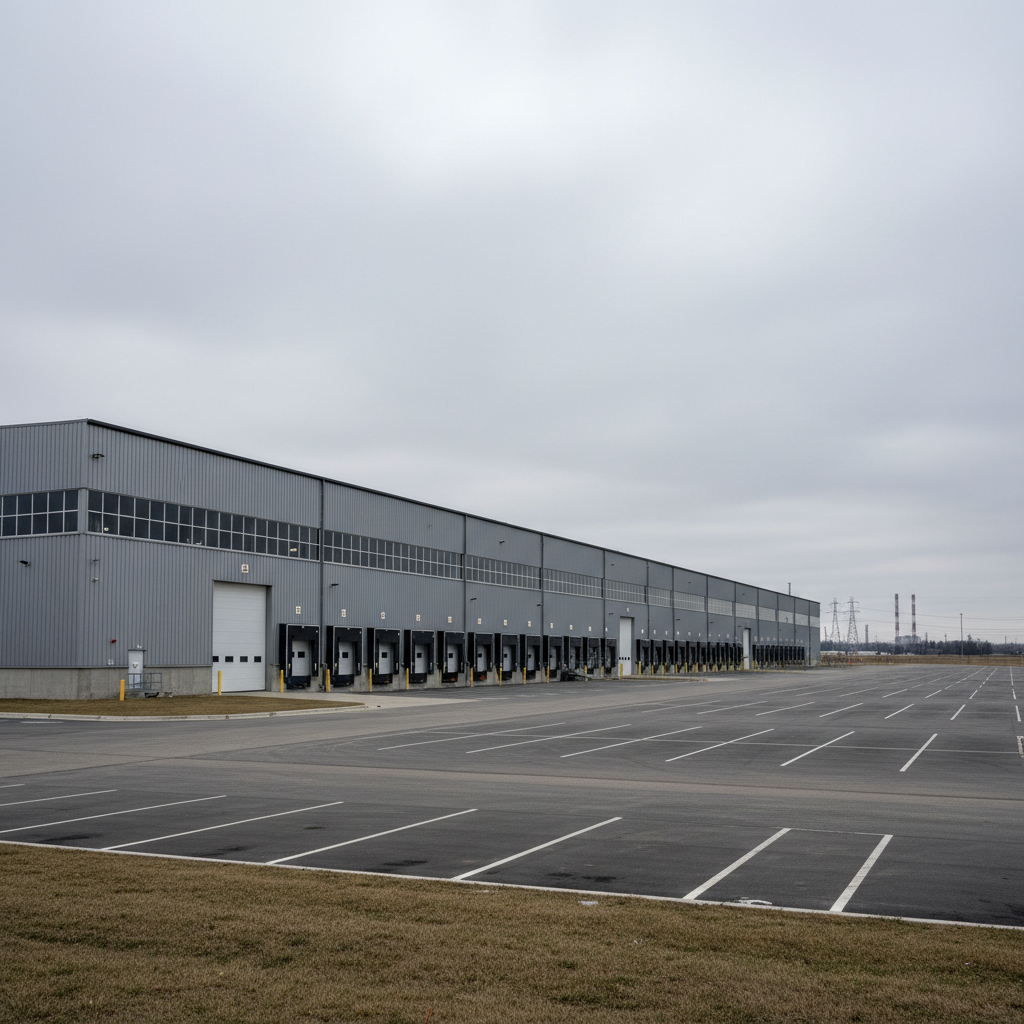
Stellantis announced on September 11 that it has signed a memorandum of understanding with Canadian armoured vehicle manufacturer Roshel regarding a potential sale of its shuttered Brampton, Ontario assembly plant. The preliminary agreement marks the first concrete step toward finding a buyer for the facility after production ceased earlier this year.
The memorandum represents a non-binding framework for negotiations between the multinational automaker and the Toronto-based defence contractor, though financial terms and timeline details were not disclosed in the initial announcement.
Roshel's Manufacturing Footprint
Roshel Defence Solutions specializes in producing armoured vehicles for military and civilian applications, including police forces and international peacekeeping operations. The company currently operates manufacturing facilities in the Greater Toronto Area and has expanded its production capacity in recent years to meet growing demand for tactical vehicles.
Founded in 1999, Roshel has built a reputation for producing the Senator armoured personnel carrier and other tactical vehicles used by law enforcement agencies across North America. The company has secured contracts with various government agencies and has been actively seeking to expand its manufacturing capabilities to handle larger-scale production orders.
The Brampton plant spans over 3.2 million square feet and previously employed thousands of workers producing vehicles for the North American market. The facility's existing infrastructure, including specialized assembly lines and logistics networks, could potentially be adapted for armoured vehicle production if the sale proceeds.
Union and Community Response
Unifor, the union representing workers at the former Stellantis facility, has expressed cautious optimism about the potential sale while emphasizing the need for concrete employment commitments. Local union officials have been in discussions with both companies about potential job opportunities for displaced workers who possess relevant manufacturing skills.
Brampton Mayor Patrick Brown has publicly supported efforts to find a new operator for the facility, citing the importance of maintaining the city's manufacturing base. Municipal officials have indicated willingness to work with potential buyers on zoning adjustments and infrastructure improvements that might be needed for defence manufacturing operations.
The closure of the Stellantis plant earlier this year eliminated approximately 2,800 direct jobs and affected numerous suppliers and contractors throughout the region. Community leaders have been advocating for solutions that would restore significant employment to the area while maintaining the facility's role as an economic anchor.
Industrial Transition Challenges
The potential acquisition comes as Ontario's manufacturing sector faces ongoing pressure from changing automotive production patterns and supply chain disruptions. Stellantis had operated the Brampton facility for decades before announcing the production halt as part of broader restructuring efforts across its North American operations.
Converting an automotive assembly plant to defence manufacturing presents unique technical challenges, including modifications to production lines, installation of specialized equipment for armoured vehicle assembly, and implementation of security protocols required for military contracts. Industry experts note that such conversions typically require substantial capital investment and can take 12 to 18 months to complete.
The facility's location offers strategic advantages for defence manufacturing, including proximity to major transportation networks and access to skilled manufacturing workers familiar with complex assembly processes. However, the conversion would also require compliance with stringent security requirements and quality standards specific to military equipment production.
Defence Sector Growth
Canada's defence manufacturing sector has experienced increased activity in recent years, driven by both domestic procurement needs and international contracts. Roshel has been among the companies benefiting from this trend, securing contracts for armoured personnel carriers and other tactical vehicles.
The federal government's defence policy review has emphasized the importance of domestic manufacturing capabilities, particularly for vehicles and equipment used by Canadian Armed Forces. This policy direction has created opportunities for companies like Roshel to expand their operations and compete for larger contracts.
The company's interest in the Brampton facility aligns with broader efforts to expand Canadian defence manufacturing capabilities, particularly as global security concerns drive demand for military equipment. According to CBC reporting, the memorandum represents a significant development in efforts to find a viable future for the idled plant.
Next Steps in Negotiations
The memorandum of understanding establishes a framework for due diligence and detailed negotiations between Stellantis and Roshel, though no binding commitments have been made by either party. Both companies will need to conduct thorough assessments of the facility's condition, regulatory requirements, and potential conversion costs.
Key factors in the negotiations will include the purchase price, timeline for transition, environmental assessments, and potential government incentives for defence manufacturing. Roshel will need to demonstrate its financial capacity to complete the acquisition and fund necessary facility modifications.
The timeline for completing any potential sale remains unclear, as such transactions typically require extensive regulatory approvals and financing arrangements. The outcome will likely depend on Roshel's ability to demonstrate viable business plans for the facility and secure necessary capital for the acquisition and conversion process.
Industry observers note that successful conversion of automotive plants to defence manufacturing has precedent in Canada, though each situation presents unique technical and financial challenges that must be addressed through detailed planning and execution.