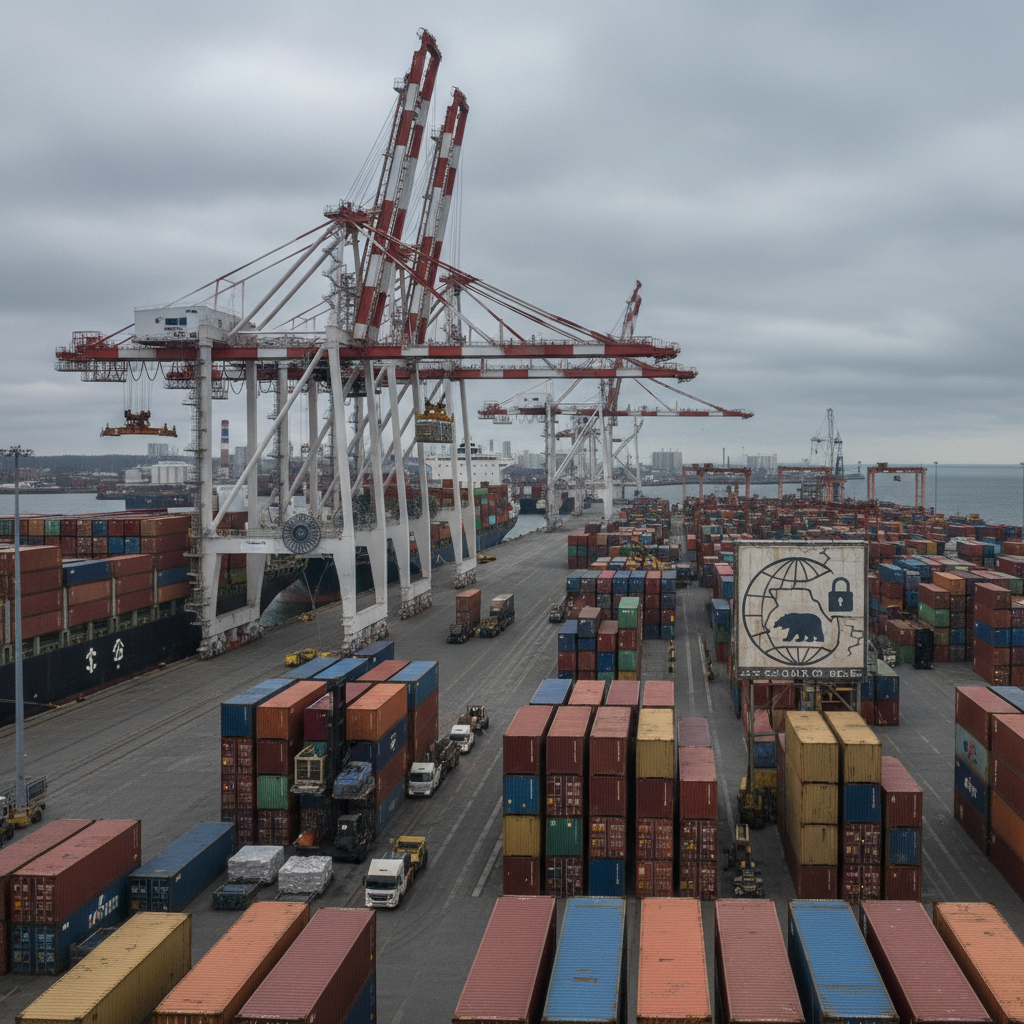
Canada's counter-tariffs on more than 600 U.S. imports came into force Tuesday, September 8, marking a major escalation in the ongoing Canada-U.S. trade conflict as Ottawa imposed duties of up to 50% on American goods ranging from steel and aluminum to golf clubs, perfume and honey.
The federal government described the measures as dollar-for-dollar retaliation against earlier U.S. actions targeting Canadian exports, with duties of up to 50% now applied to products including steel, aluminum, golf clubs, perfume and honey. Additional 25% levies hit items such as seafood, cheese and large kitchen appliances across more than 700 total product categories.
Federal officials warn of economic ripple effects
Federal officials have warned of "tough times ahead" as the tariffs filter through to Canadian consumers and businesses. Finance Minister François-Philippe Champagne and Bank of Canada governor Mark Carney face mounting pressure to provide clarity on how the measures will impact household budgets and business costs across the country.
The tariffs represent Ottawa's most aggressive trade response in recent memory, designed to pressure Washington by targeting products from politically sensitive U.S. regions. However, the measures also mean Canadian importers and ultimately consumers will bear the cost of higher prices on affected American goods.
Industry associations have begun calculating the immediate cost implications for their members. The Canadian Steel Producers Association estimates the aluminum tariffs alone could add $200-300 to the cost of a typical vehicle manufactured in Canada, while the Retail Council of Canada projects consumer goods price increases of 15-25% on affected items within six months.
Opposition demands transparency on consumer costs
Opposition leader Pierre Poilievre has demanded greater transparency from the federal government on the tariffs' economic impact, particularly how price increases will affect Canadian families already dealing with inflation pressures. Poilievre's calls for detailed economic projections reflect growing concern that the trade dispute's costs will fall disproportionately on ordinary Canadians.
"The Liberal government is asking Canadian families to pay the price for their failed diplomacy," Poilievre said during Question Period Tuesday. "They owe Canadians a full accounting of how much more groceries, cars and home renovations will cost because of these tariffs."
Quebec Premier Fréchette convened an emergency cabinet meeting to assess the potential hit to provincial industries, highlighting how the trade conflict extends beyond federal politics into regional economic planning. The meeting underscores concerns that retaliatory measures, while politically necessary, could harm Quebec businesses dependent on cross-border supply chains.
Conservative finance critic Dan Albas has called for parliamentary hearings on the tariffs' economic impact, arguing that Canadians deserve to know the full cost of the government's trade strategy before prices begin rising at checkout counters across the country.
Economic and political stakes rise across the border
Economists predict the tariffs will be felt most acutely in key U.S. sectors and battleground states ahead of midterm elections, raising both economic and political stakes on both sides of the border. The timing creates additional pressure on American politicians in affected regions, though it also means Canadian businesses and consumers must navigate higher costs and supply chain disruptions.
The measures target products strategically chosen to maximize political impact in the United States while minimizing alternatives for Canadian importers. Steel and aluminum tariffs affect construction and manufacturing costs, while duties on consumer goods like golf clubs and perfume will directly impact retail prices.
University of Toronto trade economist Dr. Sarah Mitchell noted that Canada's approach mirrors successful European Union tactics during previous U.S. trade disputes. "The goal is to create concentrated pain in specific congressional districts while spreading the cost across the broader Canadian economy," Mitchell explained. "It's politically rational but economically expensive for Canadian consumers."
American steel producers in Pennsylvania and Ohio are expected to benefit from reduced Canadian competition, while U.S. agricultural exporters face immediate market access challenges. The honey tariffs specifically target producers in key swing states, creating political pressure on representatives from rural districts.
Trade war enters new phase with consumer impact
The implementation marks a new phase in the Canada-U.S. trade conflict, moving from diplomatic negotiations to concrete economic measures affecting daily commerce. Canadian businesses importing affected goods face immediate cost increases that many will pass along to consumers, creating inflationary pressure across multiple sectors.
Small businesses particularly face challenges adapting to the new tariff structure, with many lacking the resources to quickly source alternative suppliers or absorb increased costs. The automotive, construction and retail sectors are expected to see the most immediate impact from the steel, aluminum and consumer goods tariffs.
Canadian Manufacturers and Exporters president Dennis Darby warned that the tariffs could force some companies to relocate production facilities to avoid the new cost structure. "We're already hearing from members about supply chain adjustments that could mean job losses in Canada," Darby said in a statement Tuesday.
The Canadian Chamber of Commerce has established a tariff impact monitoring system to track price changes and business disruptions, with weekly reports planned for government officials. Early data suggests importers are already seeking alternative suppliers from Mexico, Europe and Asia, though transition costs remain significant.
According to CTV News reporting, the tariffs represent the most comprehensive Canadian trade retaliation in decades, with officials acknowledging the economic pain while maintaining the measures are necessary to defend Canadian interests.
The success of Canada's strategy will depend partly on whether the economic pressure on U.S. constituencies translates into political pressure for resolution. However, Canadian consumers and businesses must prepare for an extended period of higher costs and supply chain adjustments as the trade conflict continues. Federal officials have indicated the tariffs will remain in place until Washington removes its own measures on Canadian exports, setting the stage for a prolonged economic standoff.