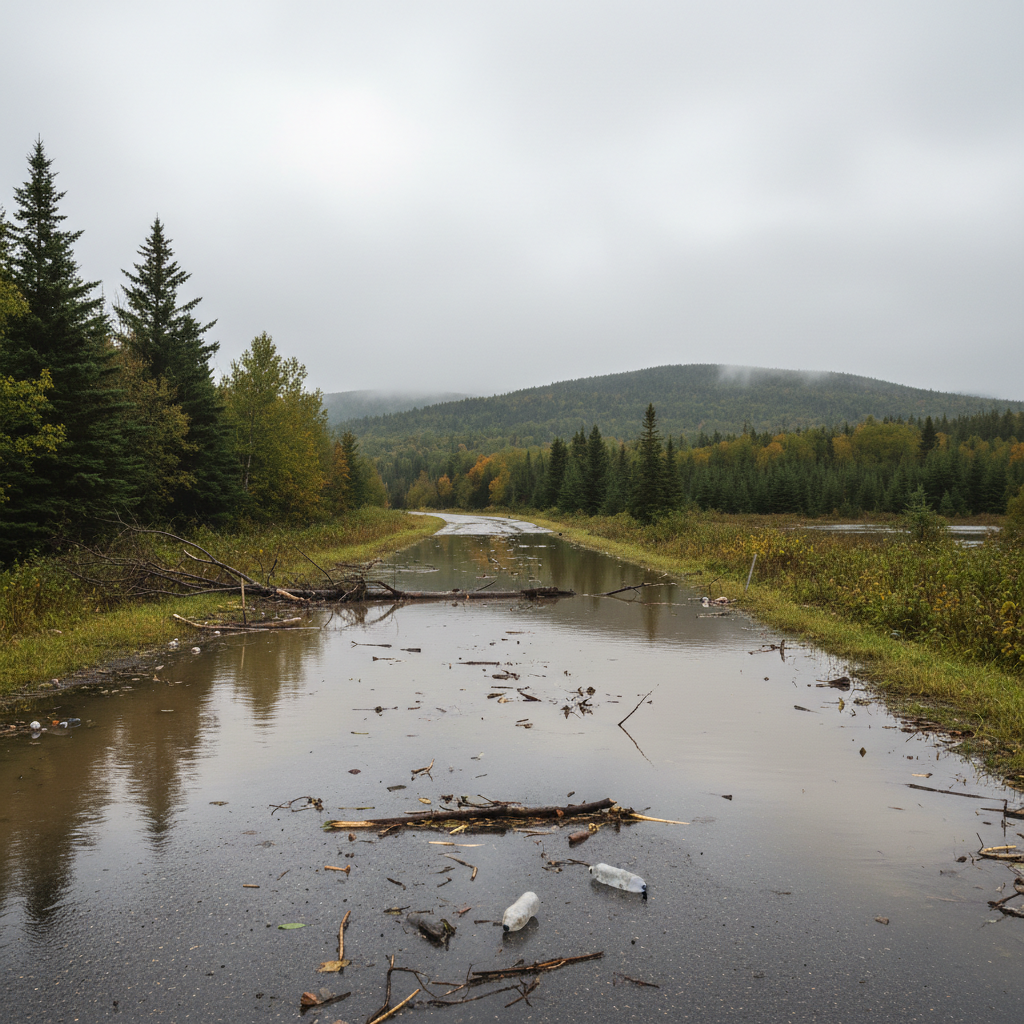
Communities across Cape Breton are mobilizing cleanup crews and damage assessments after torrential downpours dumped more than 200 millimetres of rain over the Labour Day weekend, causing what local officials are calling unprecedented storm damage. The flooding hit hardest on September 6, leaving municipalities dealing with washouts, property damage, and mounting repair bills.
Port Hawkesbury's Chief Administrative Officer described the impact as severe, with communities still tallying the full extent of infrastructure damage nearly a week later. The storm system brought rainfall totals that overwhelmed drainage systems and caused significant washouts across the region's road networks.
Immediate Response and Damage Assessment
Municipal crews have been working around the clock since the weekend to clear debris and assess the scope of repairs needed. The storm's timing over the Labour Day holiday complicated initial response efforts, with many municipal offices closed when the heaviest rainfall began.
Emergency response teams prioritized restoring access to isolated communities first, with some rural roads remaining impassable for days after the initial flooding. Public works departments across the region have deployed heavy equipment to clear culverts and repair temporary access routes.
Property owners across affected areas are documenting damage for insurance claims, while local contractors report being inundated with calls for emergency repairs. The combination of washouts and property damage has created a backlog of urgent repair work that could stretch into the fall months. Several contractors noted they are booking emergency calls weeks in advance due to overwhelming demand.
Infrastructure Strain on Small Communities
The storm has highlighted the vulnerability of rural infrastructure in Atlantic Canada, where smaller municipalities often lack the resources for major emergency repairs. Cape Breton's network of rural roads, many built decades ago, proved particularly susceptible to the weekend's rainfall volumes.
Municipal engineers are conducting detailed assessments of damaged culverts and bridge structures, with preliminary estimates suggesting some repairs could cost individual communities hundreds of thousands of dollars. The Cape Breton Regional Municipality alone is dealing with dozens of washout sites across its extensive rural road network.
Local officials are now reviewing emergency response protocols and assessing whether current drainage infrastructure can handle increasingly severe weather events. The financial burden of repairs falls heavily on communities already managing tight municipal budgets, with some smaller municipalities facing repair costs that could exceed their annual public works allocations.
Regional Context and Recovery Efforts
The September storm adds to a challenging year for Atlantic Canadian communities dealing with extreme weather events. According to CBC reporting, the flooding represents one of the most significant weather-related damage events in recent Cape Breton history.
Recovery efforts are expected to continue through the month as communities work to restore damaged infrastructure before winter weather arrives. The timing creates additional pressure to complete repairs quickly, as delayed work could compound problems during the region's harsh winter months.
Historical weather data shows September rainfall totals of this magnitude occur roughly once every 25 years in the region, though climate experts suggest such events may become more frequent. The weekend's rainfall exceeded typical September monthly totals in just 48 hours, overwhelming infrastructure designed for more moderate precipitation patterns.
Financial Impact and Next Steps
Municipal leaders are preparing damage assessments for potential provincial disaster relief funding, though the application process can take months to complete. In the meantime, communities must fund immediate repairs from existing budgets or emergency reserves.
The Nova Scotia government has indicated it will review disaster relief applications once municipalities submit formal damage assessments. Provincial officials noted that communities must demonstrate costs exceed local capacity to qualify for assistance, a threshold several Cape Breton municipalities expect to meet given the scope of infrastructure damage.
The cleanup phase is expected to reveal additional damage as crews access previously flooded areas. Officials are urging residents to document all property damage thoroughly and report infrastructure problems to municipal offices as recovery work continues.
Weather forecasters are monitoring conditions for the remainder of September, with communities hoping for drier weather to allow repair work to proceed without further setbacks. Municipal officials are also reviewing winter preparedness plans, recognizing that unrepaired storm damage could create additional challenges during the upcoming snow season.