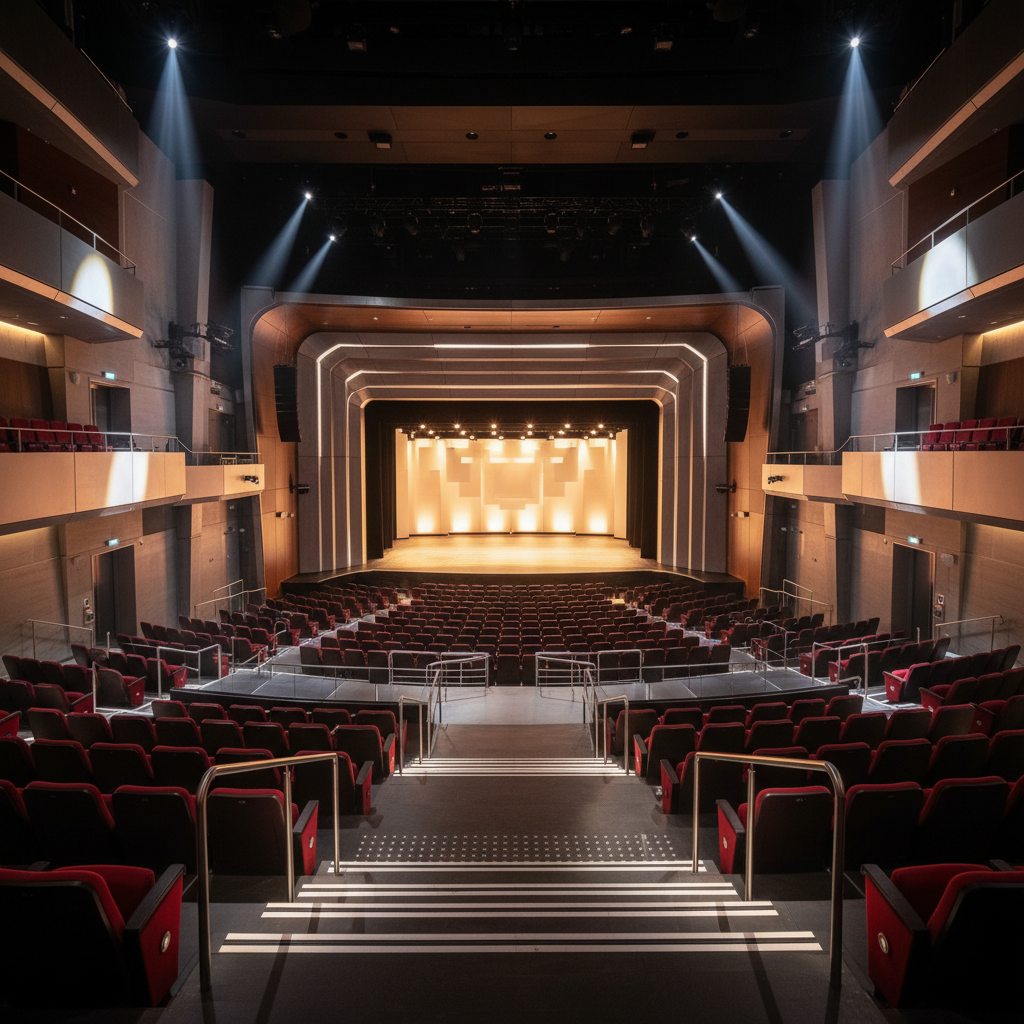
Organizers of the Shen Yun performing arts show have filed a court action against Ottawa's National Arts Centre after the Crown corporation terminated their agreement and cancelled planned 2025 performances. The lawsuit, filed following the NAC's September 2026 decision to end its relationship with the company, alleges wrongful termination and seeks damages for lost revenue and reputational harm.
Court documents detail Shen Yun's claims that the NAC breached its contractual obligations when it unilaterally cancelled the scheduled performances. The organizers are seeking compensation for projected ticket sales and damages related to what they describe as harm to their reputation in the Canadian performing arts market.
NAC Cites Accessibility and Contract Concerns
The National Arts Centre ended its relationship with Shen Yun following internal deliberations about potential backlash over alleged mistreatment of audience members with disabilities and breaches of previous contract terms. The Crown corporation's decision came after reviewing incidents and contractual issues that raised concerns about the company's compliance with accessibility standards and venue policies.
The NAC has not publicly detailed the specific accessibility violations or contract breaches that prompted the termination, but the decision reflects growing scrutiny of how performing arts organizations accommodate patrons with disabilities at publicly funded venues. Sources familiar with the situation indicate the concerns involved multiple incidents across different performance dates, though the exact nature of these incidents remains under legal review.
Industry stakeholders have expressed mixed reactions to the NAC's decision. Some accessibility advocates have praised the venue for taking a firm stance on inclusion standards, while others in the performing arts community question whether the termination process followed appropriate due process protocols for contracted performers.
Legal Battle Over Public Venue Responsibilities
The dispute highlights tensions between contractual commitments and evolving standards for accessibility and inclusion at Canada's publicly funded cultural institutions. Legal experts note that Crown corporations like the NAC must balance their obligations to contracted performers against their responsibility to ensure safe, accessible experiences for all audience members.
Shen Yun's court filing challenges the NAC's authority to terminate agreements based on accessibility concerns that the organizers argue were not clearly defined in their original contract. The case may set precedent for how publicly funded venues can modify or cancel agreements when inclusion and safety issues arise.
Constitutional law specialists suggest the case could test the boundaries of how Crown corporations can exercise discretionary authority over programming decisions, particularly when public funds and accessibility rights intersect. The legal arguments will likely examine whether the NAC provided adequate notice and opportunity for remediation before terminating the contract.
Broader Questions for Arts Institutions
The legal action raises questions about accountability standards for performing arts companies that use public venues across Canada. Cultural institutions increasingly face pressure to ensure their programming partners meet accessibility requirements that may not have been explicitly outlined in older contracts.
Industry observers note that the case reflects broader changes in how publicly funded venues approach partnerships with touring companies. The dispute has prompted discussions among venue operators about updating contract language to include specific accessibility compliance clauses and enforcement mechanisms.
Several major Canadian performing arts venues have begun reviewing their own partnership agreements in light of the NAC situation, with some implementing new accessibility auditing processes for touring productions. According to CBC News reporting, the dispute underscores the need for clearer guidelines about accessibility standards and enforcement mechanisms at Crown cultural institutions.
Disability rights organizations have indicated they will monitor the case closely, viewing it as a potential benchmark for how seriously public institutions take their obligations under federal accessibility legislation.
What Comes Next
The court case will likely examine whether the NAC followed proper procedures in terminating its agreement with Shen Yun and whether the alleged accessibility violations justified cancelling contracted performances. The outcome could influence how other publicly funded venues across Canada structure future agreements with touring productions.
Both parties will need to present evidence about the specific incidents and contract terms that led to the dispute. Legal proceedings are expected to include testimony from NAC officials about their decision-making process and from Shen Yun representatives about the financial and reputational impact of the cancellation.
The case may also prompt broader policy discussions about accessibility standards and enforcement at Canada's major cultural institutions, particularly those receiving public funding. Federal officials have indicated they will review the outcome to determine whether additional guidance is needed for Crown cultural corporations regarding accessibility compliance and contract management.
A preliminary hearing is expected within the coming months, with the full case potentially extending into 2025 depending on the complexity of evidence presented by both sides.