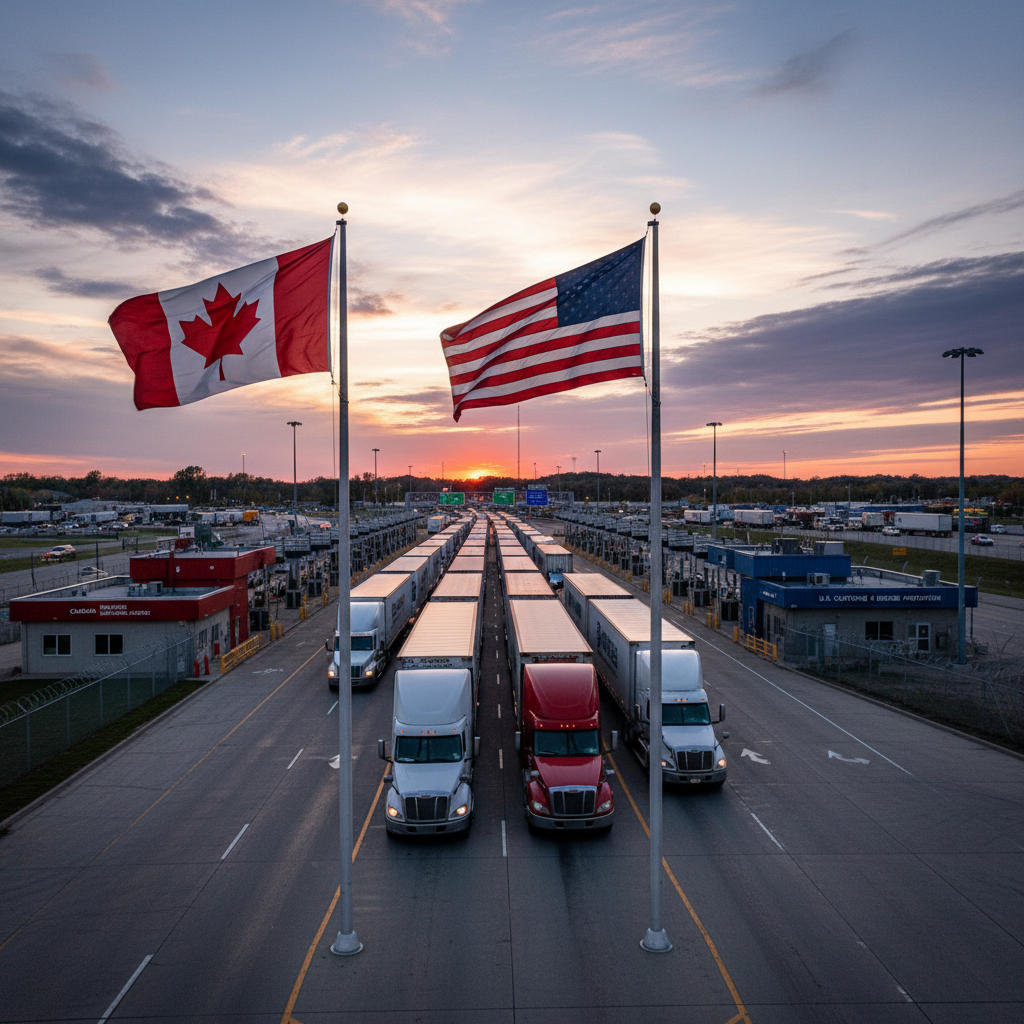
Prime Minister Mark Carney announced on August 25 that Canada will impose "dollar-for-dollar" counter-tariffs on $27.6 billion worth of U.S. imports, matching new 50 per cent duties Washington imposed under its latest trade measures. The retaliatory tariffs take effect September 8 and target American metals, agricultural goods, and various consumer products.
Alongside the trade action, Ottawa unveiled $7.5 billion in support for Canadian workers and businesses expected to face disruption from the escalating dispute. The aid package includes expanded Employment Insurance access and sector-specific relief programs designed to cushion the economic impact across affected industries.
Government frames response as measured retaliation
Carney described the tariff announcement as a "firm but measured response" following weeks of tense negotiations and deadline extensions over the U.S. tariff plan. The Prime Minister emphasized that Canada had exhausted diplomatic channels before resorting to the retaliatory measures.
Deputy Prime Minister Chrystia Freeland, speaking alongside Carney at the press conference, called the American tariffs "unjustified and protectionist," arguing they violated existing trade agreements. She stressed that Canada's response would be "proportionate and strategic," designed to minimize harm to Canadian consumers while maximizing pressure on American exporters.
The counter-tariffs will hit a wide range of American products entering Canadian markets, creating potential price increases for consumers while protecting domestic producers from unfair competition. The 50 per cent duty rate directly mirrors the punitive tariffs Washington imposed on Canadian exports earlier this month.
Finance Minister Sean Fraser indicated the government had consulted extensively with provincial premiers and industry leaders before finalizing the tariff list. "We've been very deliberate about which products to target," Fraser said, noting the selection aimed to affect key American constituencies while preserving access to essential goods Canadians rely on.
$7.5 billion aid package targets affected workers and businesses
The federal support package aims to shield Canadian workers and companies from the fallout of the trade dispute. Expanded Employment Insurance access will provide additional weeks of benefits for workers in affected sectors, while sector-specific relief programs will offer targeted assistance to industries facing the steepest impacts.
Small businesses importing American goods or selling to U.S. markets will have access to emergency funding and loan guarantees through the package. The government also announced accelerated depreciation allowances for companies investing in domestic production capacity to reduce reliance on affected imports.
The Canadian Chamber of Commerce welcomed the aid announcement but warned that prolonged trade uncertainty could still damage business confidence. Chamber President Perrin Beatty stated that while the support measures were "necessary and appreciated," the organization hoped both governments would quickly return to negotiations to resolve the underlying disputes.
Labour unions praised the expanded Employment Insurance provisions, with Canadian Labour Congress President Bea Bruske calling them "essential protection for workers caught in the crossfire of this trade war." The Teamsters union specifically highlighted benefits for transportation workers who move goods across the border.
Tariffs follow extended negotiations and temporary pause
The announcement comes after a three-day pause granted by the U.S. administration earlier in August, during which both sides attempted to reach a compromise. Despite the brief reprieve, negotiations failed to produce an agreement that would have avoided the escalating tariff war.
Canada's retaliatory measures target strategic American exports including steel, aluminum, lumber products, and agricultural commodities. Consumer goods ranging from electronics to household items will also face the new duties, potentially driving up prices for Canadian shoppers while encouraging domestic alternatives.
The trade dispute has created uncertainty for businesses on both sides of the border, with supply chains and long-term contracts facing disruption. Manufacturing associations in both countries have reported members postponing investment decisions and seeking alternative suppliers as the dispute intensifies.
American agricultural groups have already expressed concern about losing access to Canadian markets, particularly for wheat and corn exports that face some of the steepest retaliatory duties. The National Association of Wheat Growers called on Washington to reconsider its tariff strategy, warning of "significant economic damage" to farming communities.
According to the CBC report, the escalating tensions have already prompted some companies to seek alternative suppliers and markets outside the traditional Canada-U.S. trade relationship.
Broader trade deal negotiations continue amid escalation
Despite the retaliatory tariffs, both governments maintain they remain committed to finalizing a broader bilateral trade deal that could resolve the underlying disputes. Officials from both sides indicated that negotiations would continue even as the new duties take effect next month.
International Trade Minister Mary Ng emphasized that Canada remained "open to dialogue" while the tariffs were in place. She noted that similar disputes in the past had been resolved through sustained negotiation, pointing to the successful renegotiation of NAFTA as precedent for finding common ground despite initial tensions.
The September 8 implementation date gives businesses and consumers roughly two weeks to adjust purchasing decisions and supply arrangements before the tariffs hit. Industry associations have warned that the dispute could persist for months, creating prolonged uncertainty for sectors dependent on cross-border trade.
Provincial governments have begun assessing regional impacts, with Ontario Premier Doug Ford announcing a task force to help manufacturers navigate the new trade environment. Quebec Premier François Legault similarly pledged provincial support for affected businesses, particularly in the forestry sector where American tariffs are expected to hit hardest.
The federal aid package represents one of the largest emergency economic interventions outside of pandemic-related spending, signaling Ottawa's recognition that the trade dispute could have lasting effects on the Canadian economy. Regional impacts are expected to vary significantly, with manufacturing-heavy provinces like Ontario and resource-dependent areas facing different challenges from the escalating tariff war.