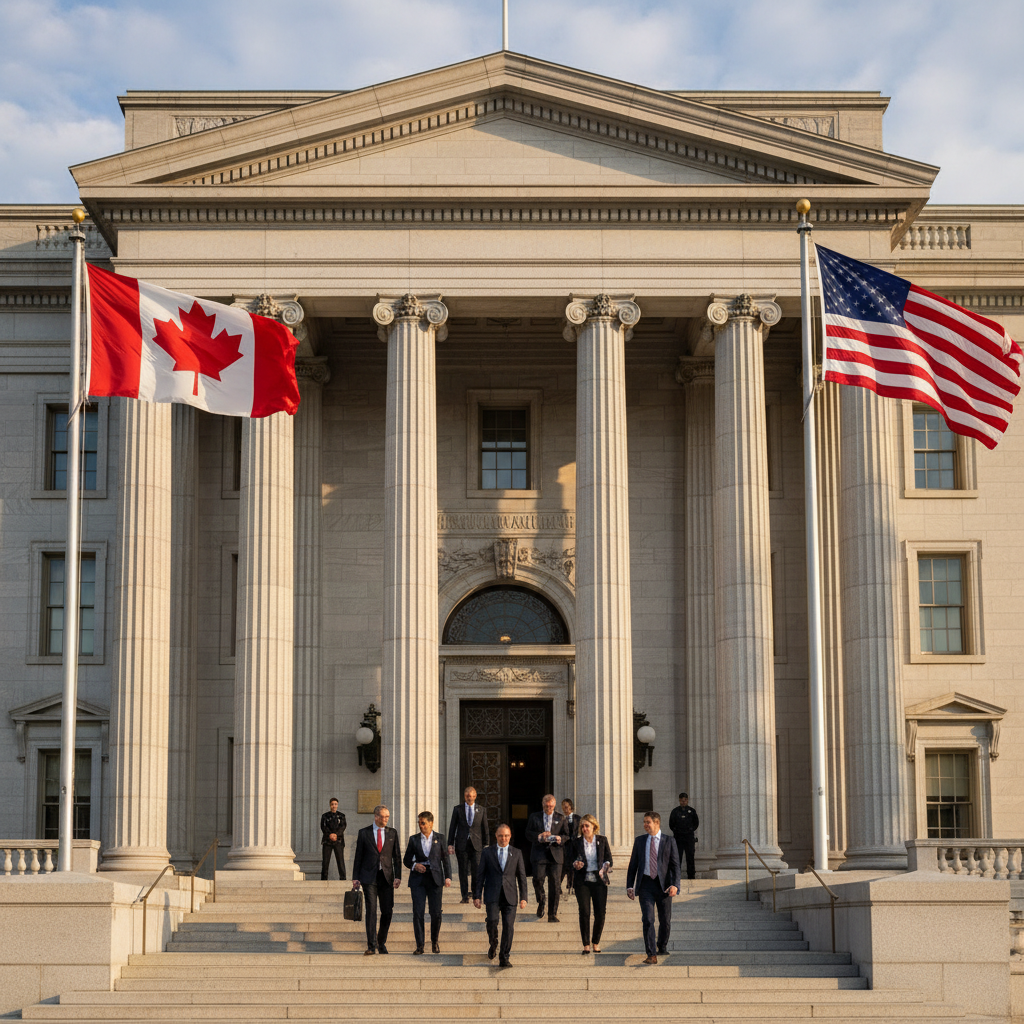
Canada's chief trade negotiator Dominic LeBlanc announced on August 20 that Ottawa was "very close" to securing a final trade deal with Washington, as both countries scrambled to reach agreement before the August 19 tariff deadline passed.
The last-minute negotiations have kept officials working around the clock, with talks extending through at least August 21 as both sides hammer out remaining details. LeBlanc's optimistic assessment came as provinces simultaneously weighed whether to restore U.S. alcohol imports as part of the broader trade package.
Provincial alcohol policies in play
The potential restoration of American alcohol imports represents a significant shift in provincial trade policy, with several provinces having restricted such imports in recent years. The alcohol component has emerged as a key bargaining chip in the final stages of negotiations, according to sources familiar with the discussions.
Provincial governments are now evaluating how lifting restrictions on U.S. alcohol products could affect local distributors and consumers, while also considering the broader economic benefits of a comprehensive trade agreement. Ontario and British Columbia, which maintain some of the strictest import controls, are reportedly among the provinces most actively reviewing their positions.
The provincial alcohol restrictions were initially implemented as protective measures for domestic producers, but trade officials now view them as potential concessions that could unlock broader market access for Canadian goods entering the United States.
Earlier U.S. offer fell short
The current optimism marks a dramatic turnaround from August 12, when Canadian officials expressed dissatisfaction with Washington's latest proposal. Reuters reported that the U.S. offer would have reduced some tariffs but not to levels that Ottawa considered acceptable.
That earlier rejection sent negotiators back to the drawing board, with Canadian officials pushing for more substantial tariff reductions across multiple sectors. The gap between the two positions appeared significant enough that some observers questioned whether a deal could be reached before the deadline.
Sources close to the negotiations indicated that the August 12 proposal would have maintained tariffs at levels Canadian exporters deemed commercially unviable. The rejection prompted intensive behind-the-scenes diplomacy, with senior officials from both countries engaging directly to bridge the divide.
The tariff deadline itself created additional pressure, as failure to reach agreement would have triggered automatic increases on various goods crossing the border in both directions. These increases would have particularly affected agricultural products and manufactured goods, sectors that employ hundreds of thousands of workers across Canada.
Economic implications for Canadian exporters
A successful agreement could provide immediate relief for Canadian exporters who have faced uncertainty about their access to American markets. Industries ranging from agriculture to manufacturing have been closely monitoring the negotiations, with many companies having delayed investment decisions pending the outcome.
The Canadian Chamber of Commerce has estimated that prolonged trade uncertainty could cost the Canadian economy billions in lost investment and export opportunities. Manufacturing associations in Ontario and Quebec have been particularly vocal about the need for tariff certainty, citing member companies that have postponed expansion plans.
Consumer groups have also expressed interest in the talks, particularly regarding how any deal might affect prices for imported goods. The inclusion of alcohol imports could provide Canadian consumers with expanded choices and potentially lower prices for American beverages, though provincial liquor boards would likely maintain significant control over distribution and pricing.
The negotiations have also drawn attention from business associations across the country, who view a comprehensive agreement as essential for maintaining Canada's competitive position in North American trade. The Canadian Manufacturers and Exporters association has called the talks "critical" for preserving integrated supply chains that have developed over decades.
Final push toward agreement
With talks continuing past the original August 19 deadline, both sides appear committed to reaching a deal rather than allowing negotiations to collapse. The extension suggests that remaining disagreements are narrow enough to be resolved through continued discussions.
LeBlanc's "very close" assessment indicates that major structural issues have been addressed, leaving primarily technical details and final language to be settled. Trade lawyers familiar with such negotiations suggest that this phase often involves precise wording around implementation timelines and dispute resolution mechanisms.
The minister's public optimism also signals confidence that any remaining provincial concerns about alcohol imports can be addressed through side agreements or transition periods. Several provinces have indicated they would need time to adjust their regulatory frameworks if import restrictions are lifted.
According to CBC reporting, the negotiations have maintained momentum despite the missed deadline, with both Canadian and American negotiating teams remaining in close contact throughout the weekend.
The coming days will determine whether Canada and the United States can finalize an agreement that addresses both countries' economic priorities while providing certainty for businesses and consumers on both sides of the border. Success would mark a significant diplomatic achievement for both governments, while failure could trigger the very trade disruptions both sides have worked to avoid.