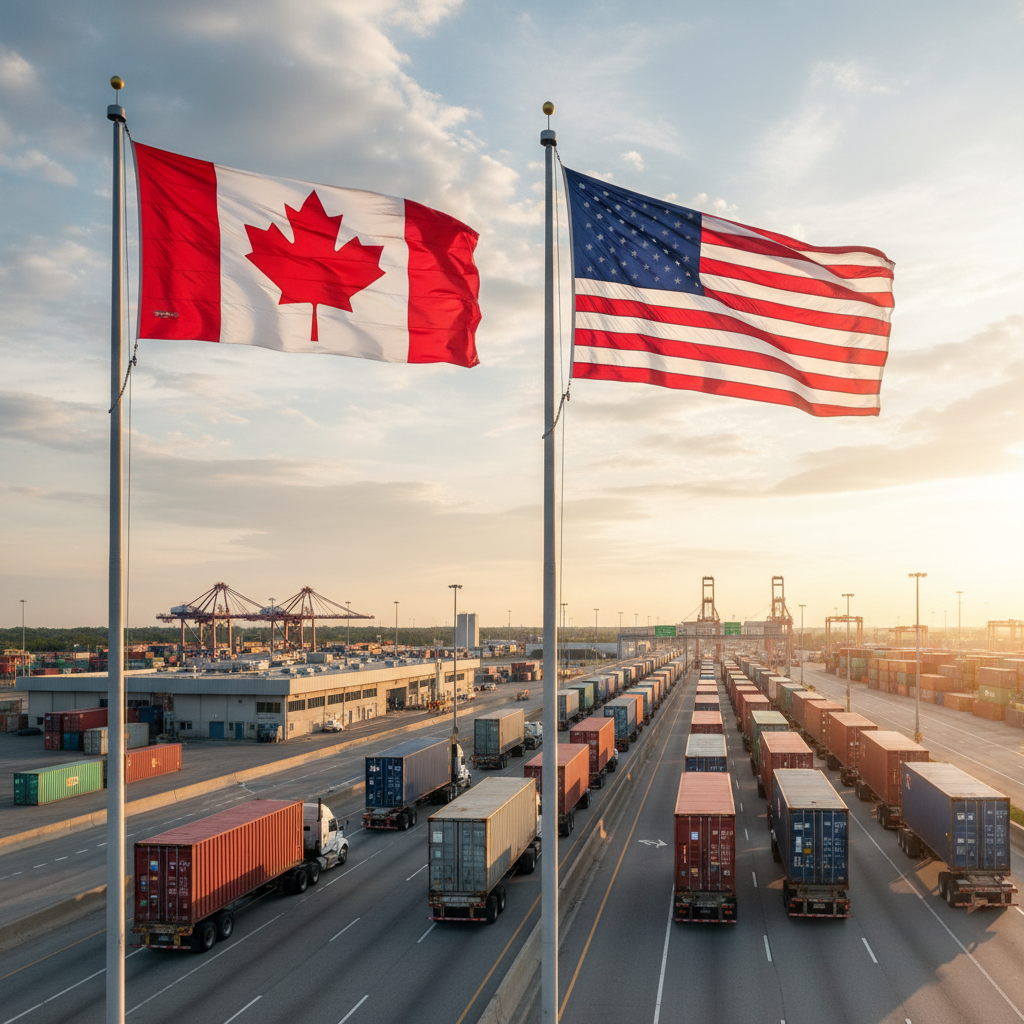
Canadian Trade Minister Dominic LeBlanc and U.S. Trade Representative Jamieson Greer entered intensive negotiations on August 18, 2026, racing to prevent sweeping 50% tariffs on roughly $30 billion in Canadian exports from taking effect at midnight August 19. Prime Minister Mark Carney remained directly engaged with U.S. President Donald Trump as the deadline approached, with municipalities, manufacturers and consumers across Canada bracing for major price increases if talks collapsed.
Last-ditch diplomatic push targets $30 billion trade relationship
The three-day negotiation window between August 16 and 18 represented Canada's final opportunity to avoid the most significant trade disruption in recent memory. The threatened tariffs would impact a broad swath of Canadian exports, from dairy products to hockey equipment, affecting supply chains that have operated seamlessly for decades. LeBlanc and Greer's talks focused on preventing what trade experts described as a potential economic shock to both countries' interconnected economies.
The 50% tariff rate represents a dramatic escalation from previous U.S. trade measures, which had already targeted Canadian steel, aluminum and other key sectors over the past year. The scope of goods covered under the new tariff threat encompasses consumer staples and industrial materials that form the backbone of cross-border commerce.
Municipalities prepare for budget strain as costs surge
Local governments across Canada began preparing contingency plans as the midnight deadline approached, with municipal officials warning that infrastructure projects and public services could face significant cost increases. The tariffs would directly impact construction materials, equipment purchases and other municipal procurement that relies on cross-border supply chains.
Manufacturers expressed particular concern about the immediate disruption to production schedules and long-term contracts. The dairy sector, already operating under strict supply management systems, faced the prospect of dramatic price volatility that could ripple through grocery stores nationwide. Hockey equipment manufacturers warned that the tariffs could significantly increase costs for families already struggling with the expense of youth sports participation.
Trade uncertainty follows year of escalating measures
The looming tariffs emerged after more than a year of trade uncertainty that had already strained Canada-U.S. economic relations. Previous rounds of U.S. measures targeting Canadian steel and aluminum had created precedent for unilateral trade actions, but the scope and severity of the proposed 50% tariffs represented an unprecedented escalation.
Cross-border supply chains, particularly in manufacturing and agriculture, had already adapted to earlier trade disruptions through alternative sourcing and adjusted pricing structures. However, the breadth of sectors covered under the new tariff threat left few industries with viable short-term alternatives to U.S. market access.
Economic ripple effects threaten consumer prices nationwide
Consumer advocacy groups warned that the tariffs would translate into immediate price increases across multiple product categories, from household goods to recreational equipment. The interconnected nature of Canada-U.S. trade means that even products not directly subject to tariffs could see price increases as manufacturers adjust to higher input costs and supply chain disruptions.
Regional economies with heavy reliance on cross-border trade faced particular vulnerability, especially in border communities where economic activity depends on seamless movement of goods and services. According to CBC reporting, the potential for significant disruption to local economies had prompted emergency planning sessions in affected communities.
Comprehensive deal sought to preserve supply chain stability
As of August 18, Canadian negotiators continued pushing for a comprehensive agreement that would address the underlying trade disputes while preserving the stability of cross-border supply chains. The talks represented Canada's effort to avoid what officials described as a significant disruption to the integrated North American economy.
The outcome of the midnight deadline negotiations would determine whether Canada faces its most challenging trade environment in decades or successfully preserves the economic relationship that supports millions of jobs on both sides of the border. The comprehensive approach sought by Canadian officials aimed to address not just the immediate tariff threat but the broader pattern of trade uncertainty that had emerged over the previous year.