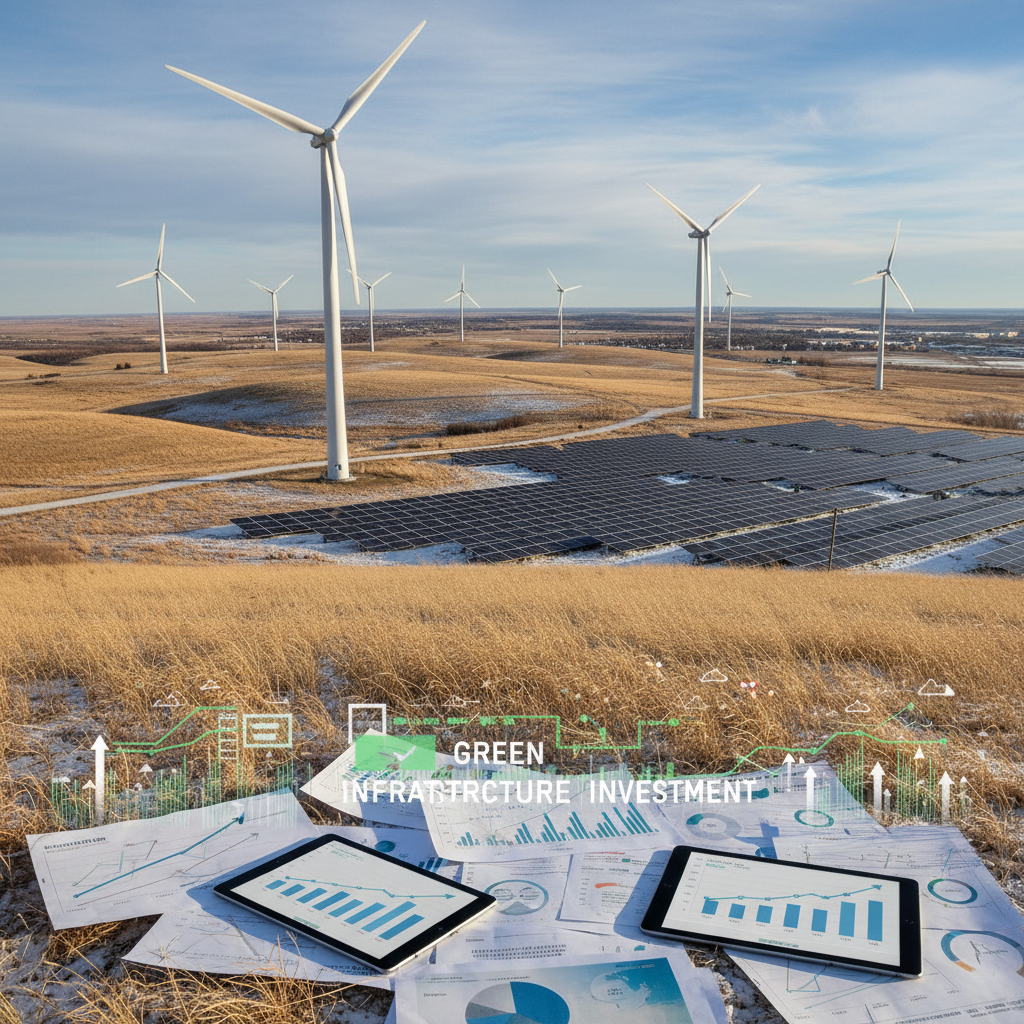
The federal government announced a revamped national green bonds program on July 31, designed to raise billions of dollars for Canadian clean technology projects and low-carbon infrastructure. Finance Canada officials detailed the initiative in Ottawa, targeting investments in renewable energy, grid upgrades, building retrofits, and zero-emission transportation.
The new framework introduces tighter eligibility criteria and enhanced disclosure requirements, positioning Canada to attract global institutional investors through alignment with international sustainable finance standards. Federal briefings indicate multiple bond issuances are planned over the next 12 to 18 months, with proceeds designated for projects spanning several provinces.
Enhanced Framework Targets Global Capital
The updated program strengthens previous green bond initiatives by implementing stricter project qualification standards and expanded reporting mechanisms. Finance Canada officials emphasized the framework's design to meet evolving international benchmarks, making Canadian green bonds more attractive to pension funds, insurance companies, and other large-scale investors seeking sustainable investment opportunities.
The enhanced disclosure requirements will mandate detailed impact reporting throughout project lifecycles, addressing previous concerns about transparency in green finance markets. This approach aims to provide investors with clear metrics on environmental outcomes and financial performance, including quarterly progress updates and annual environmental impact assessments.
Key eligibility criteria now require projects to demonstrate measurable greenhouse gas emission reductions, job creation potential, and alignment with Canada's net-zero commitments by 2050. The framework also establishes minimum thresholds for project scale and regional economic impact, ensuring bond proceeds support substantial infrastructure development rather than smaller-scale initiatives.
Industry Response Highlights Implementation Priorities
Industry groups and sustainability-focused funds have broadly welcomed the announcement while emphasizing key implementation considerations. The Canadian Renewable Energy Association praised the program's potential to accelerate grid modernization projects that have faced financing challenges in recent years.
Stakeholders called for clear impact measurement protocols and regional equity in project selection to ensure benefits reach communities across Canada. Several major pension funds indicated interest in participating, citing the program's alignment with their sustainability mandates and long-term investment horizons.
The Clean Technology and Innovation Coalition highlighted the importance of including emerging technologies alongside established renewable energy projects. Representatives noted that previous government green finance initiatives sometimes favoured proven technologies over innovative solutions that could deliver greater long-term environmental benefits.
Environmental groups expressed cautious optimism while stressing the need for rigorous project vetting to prevent greenwashing. They emphasized that impact measurement must extend beyond carbon reduction to include biodiversity protection and community consultation processes.
Multi-Billion Dollar Investment Pipeline
Early federal estimates suggest the program could mobilize significant capital flows into Canadian clean technology sectors over the coming months. The 12 to 18-month issuance timeline indicates sustained government commitment to scaling up green infrastructure investment through debt markets.
Proceeds will support renewable energy projects including solar and wind installations, electrical grid modernization to accommodate clean power sources, commercial and residential building efficiency upgrades, and zero-emission transportation infrastructure. Priority areas include interprovincial transmission lines, electric vehicle charging networks, and industrial decarbonization projects in energy-intensive sectors.
The multi-provincial scope ensures national coverage while allowing regional specialization based on local clean technology strengths. Atlantic Canada projects may focus on offshore wind development, while Western provinces could emphasize grid storage solutions and carbon capture technologies. Ontario and Quebec initiatives will likely concentrate on manufacturing sector decarbonization and urban transportation electrification.
The framework's alignment with international standards positions Canadian projects to access global capital pools increasingly focused on climate-related investments. According to the CBC report, this standardization could prove crucial as institutional investors worldwide seek transparent, measurable sustainable investment opportunities.
Market Implications and Next Steps
The program's launch comes as Canadian clean technology companies face growing capital requirements for scaling operations and infrastructure development. Government-backed green bonds provide an alternative financing mechanism that could complement existing tax incentives and direct subsidies, particularly for projects requiring patient capital with longer payback periods.
Finance Canada officials indicated that specific bond terms, including interest rates and maturity periods, will be determined closer to individual issuance dates based on market conditions. Initial bonds are expected to carry terms ranging from five to 30 years, accommodating different investor preferences and project timelines.
The staggered release schedule allows for program adjustments based on early performance and investor feedback. Officials plan to conduct market consultations before each major issuance, ensuring bond structures meet evolving investor demands while maintaining competitive pricing for Canadian projects.
The initiative represents a significant expansion of federal green finance tools, potentially establishing Canada as a more prominent player in the global sustainable debt market. Success will largely depend on execution quality, project selection transparency, and the government's ability to demonstrate measurable environmental and economic returns to attract repeat investment from institutional participants.